- Cuisine
- Korean (두부 요리 전문점)
- Address
- Seoul Nowon-gu Dongilro174-gil 37-8
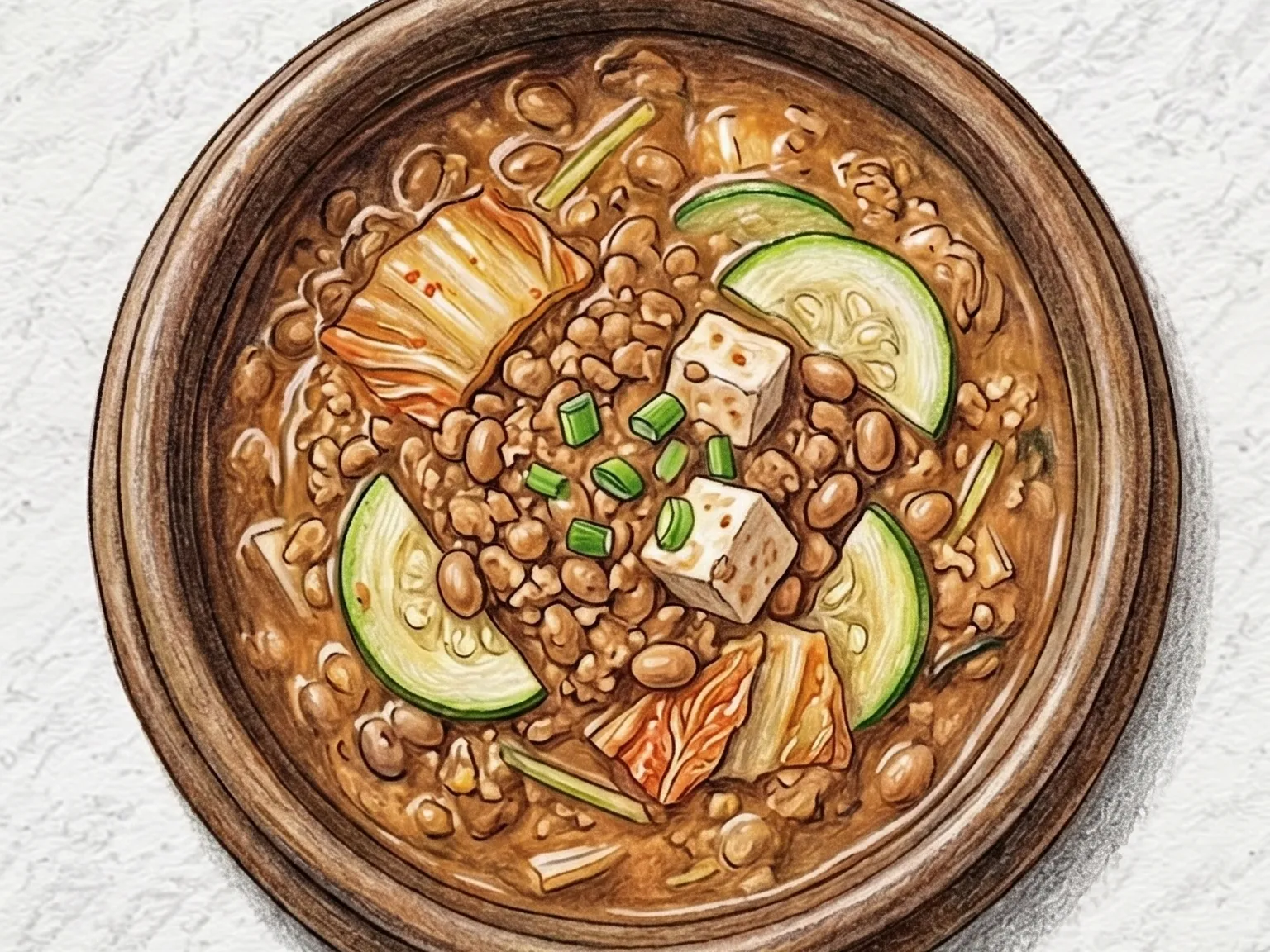
Jeil Kongjip is a bean-cuisine restaurant in Gongneung-dong, Nowon-gu, Seoul, operating since 1981 and using domestically grown soybeans ground on a stone mill for cheonggukjang, kongguksu, handmade tofu, and tofu stew. Cheonggukjang has a restrained fermentation aroma rather than an overwhelming smell, with mild salinity and deep bean savor. The earthenware bowl contains generous soft tofu that retains the grain and concentrated taste of soy. Kimchi cheonggukjang adds fermented cabbage acidity and salt, producing a redder, sharper stew than the plain version. Kongguksu uses soybean liquid thick enough to cling heavily to each lifted bundle of noodles instead of draining immediately back into the bowl. The style relies on direct bean flavor rather than many modern additions, and it has arrived seasoned enough that extra salt was unnecessary for some diners. Standard noodles and green chlorella noodles appear together, adding a visual and textural comparison beneath the same dense broth. Noodles have occasionally seemed overcooked, but the concentration and nuttiness of the soy liquid have remained the stronger feature. Stir-fried kimchi introduces warm fermented acidity beside the cool, creamy bowl. Seven side dishes resemble rustic Korean home cooking, with seasoned greens and vegetables surrounding the main bean dishes. Cabbage can be dipped into earthy doenjang. Gochu bugak coats thin chile pieces with a crisp fried layer, contributing a dry crunch absent from tofu, stew, and soy broth. Bossam combines tender boiled pork with nearly a full bowl of tofu stew, placing animal fat beside clean soybean flavor. Kongnamul-bap mixes warm rice, crisp bean sprouts, and seasoning and includes a smaller portion of tofu stew. Fried chicken and shrimp extend the menu beyond beans. The chicken has drawn both strong approval and the view that it is an ordinary fried wing, illustrating that the kitchen's more consistent identity remains with soybeans. Across the meal, one ingredient takes multiple forms: fermented beans in cheonggukjang, ground beans in cold broth, pressed curd in tofu, and sprouts over rice. Thick kongguksu liquid, mild fermentation, soft tofu, and crisp pepper bugak are the clearest textural anchors.
Quick read
- Why go
- Moderate price range
- Best for
- A focused meal stop
- Plan before you go
- 1,154 Google Maps reviews make this a useful shortlist pick.
What to order
- Start with
- 청국장
- Then consider
- 콩국수
Dataset context
How this listing compares
- Within this cuisine
- #173 of 676 by the published comparison signal
- Korean
- Within this area
- #4 of 14 by the published comparison signal
- Nowon
- Review depth
- 1.6× the cuisine median (median 703)
Analysis generated 2026-07-30 from 4,138 Korea Eats records. Ratings and review counts can change. This is not a personal review or quality guarantee. Check current details on the linked map.
Choose your next step
More in this district
Ganggangsullae Sanggye
강강술래 상계점
Gongneung-dong Dak Hanmari Bonjeom
공릉동닭한마리 본점
Pungmiyeon
풍미연
Junggye Meat Party
중계고기파티
Haepumjang Palpal Jangeo Bonjeom
해품장팔팔장어 본점
Mumyeong Kalguksu
무명칼국수
Popular Korean spots
Ujin Haejangguk
우진해장국
Yuchi Hoegwan
유치회관
Jungang Haejang
중앙해장
Gojipdol Ureok Jeju Gonghang
고집돌우럭 제주공항점
Mugyodong Bugeogukjip
무교동북어국집
Samcheong-dong Sujebi
삼청동수제비