Maga Mandu 마가 만두
마가 만두
- Cuisine
- Dumplings (만두 전문점)
- District
- Dong-gu, Busan · Busan
- Address
- Busan Dong-gu Daeyeongro243beon-gil 56
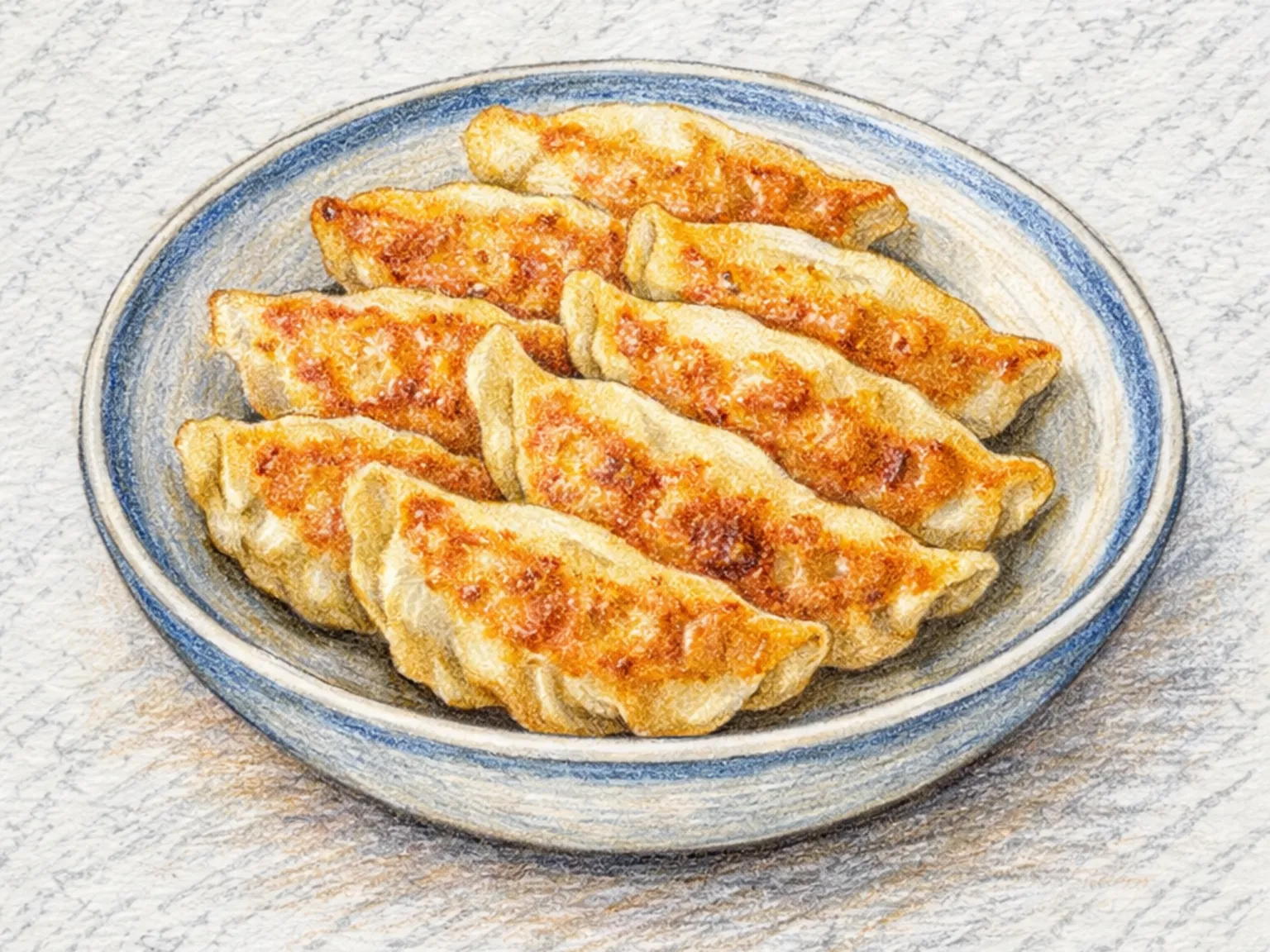
Maga Mandu is a Chinese dumpling restaurant in Busan's Chinatown across from Busan Station, making steamed, pan-fried, and boiled dumplings. The name Maga means the Ma family and refers to owner Ma Wi-hong. His fried-dumpling technique has also appeared on the Korean television program Master of Living. Steamed dumplings enclose pork filling within a thin to moderately thick wheat wrapper. Biting through the skin releases soft savory juice held around the meat. A slight spice aroma gives the rich pork and fat a northeastern Chinese direction. Pan-fried dumplings use a related filling but brown the base and outer wrapper in oil. Crisp sound and toasted wheat on the exterior contrast with moist filling inside. The spice is often less assertive in this version because the roasted wrapper takes a larger role. Boiled dumplings cook smaller parcels in water until the skins become smooth and resilient. Their concentrated meat and fat, held without soup inside the wrapper, recall dumplings from Harbin and other parts of northeastern China. Placing all three on one table reveals how steam, pan oil, and boiling water alter the same combination of wheat skin and pork. The results move from soft and juicy to crisp, then slippery and elastic. Chili chicken coats fried poultry in spicy, sweet, and sour seasoning. Sweet-and-sour pork pairs clean-tasting meat and batter with sauce, while jjamppong rice brings rice into a broth carrying wok aroma without extreme heat. Mapo tofu rice places soft bean curd and aromatic seasoning over grains. Shrimp fried rice, dressed cucumber, and jasmine tea add still more contrasts around the dumplings. Cucumber brings cool crunch, and the tea's floral fragrance clears pork fat between pieces. The restaurant sits among Chinese signs and food businesses in the narrow Chinatown streets. Inside, folded wrappers, steamer heat, browned dumpling surfaces, and plates of boiled dumplings keep handwork at the center. Sharing several kinds is particularly revealing because the filling remains related while the wrapper changes most dramatically. Steamed dumplings emphasize juice, fried dumplings emphasize browning, and boiled dumplings emphasize the elasticity of hydrated dough. The wider Chinese menu supports those comparisons with fried chicken, pork, tofu, rice, cucumber, and fragrant tea rather than replacing the dumplings as the main identity.
Quick read
- Why go
- Maga Mandu is a Chinese dumpling restaurant in Busan's Chinatown across from Busan Station, making steamed, pan-fried, and boiled dumplings.
- Best for
- Solo dining. Families
- Plan before you go
- 1,383 Google Maps reviews make this a useful shortlist pick.
What to order
- Start with
- 찐만두
- Then consider
- 군만두
- How they differ
- Sweet-and-sour pork pairs clean-tasting meat and batter with sauce, while jjamppong rice brings rice into a broth carrying wok aroma without extreme heat.
Dataset context
How this listing compares
- Within this cuisine
- #9 of 26 by the published comparison signal
- Dumplings
- Within this area
- #3 of 13 by the published comparison signal
- Dong-gu, Busan
- Review depth
- 1.6× the cuisine median (median 871)
Analysis generated 2026-07-30 from 4,138 Korea Eats records. Ratings and review counts can change. This is not a personal review or quality guarantee. Check current details on the linked map.