제주따이

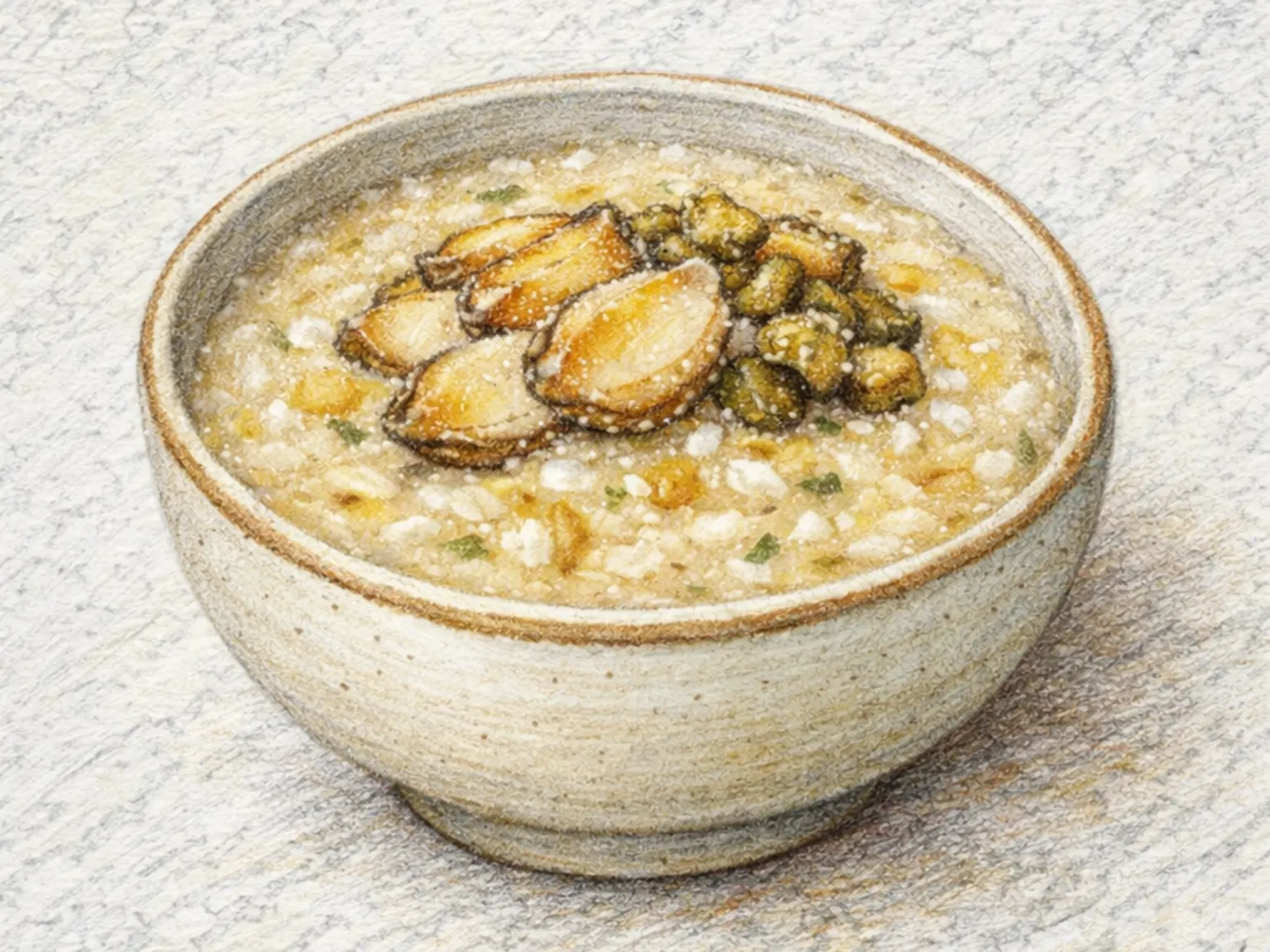
Jeju Thai is an abalone restaurant nestled in a residential alley of Sinjeju, operated by a family whose warmth and dedication come through in every dish. Far removed from the typical tourist-area dining scene, it has the feel of a genuine neighborhood gem. The menu revolves entirely around abalone: stone-pot rice, porridge, ttukbaegi stew, butter-grilled abalone, and mul-hoe (raw fish salad) are all available. The abalone stone-pot rice is seasoned just right to eat as-is, and wrapping it in seaweed amplifies the nuttiness. The abalone ttukbaegi contains three sizable abalones in a deeply flavorful broth, making it the single most recommended dish for first-time visitors. The abalone porridge is cooked with abalone liver, which lends it a rich green hue and an intense, savory seafood depth. Butter-grilled abalones sizzle on a hot plate, each piece thick and pulled fresh from the on-site tank. Orders for two or more automatically include grilled mackerel and chive pancake, alongside a generous spread of banchan. After the meal, the kitchen offers a cup of shindari, a traditional Jeju fermented drink with a mildly sweet, grain-forward character — something between light makgeolli and rice water. Pricing is remarkably accessible for abalone-centric dining: stone-pot rice at 13,000 won, porridge at 10,000 won, seafood hot pot at 13,000 won, and grilled abalone at 22,000 won for seven pieces. A family of four can eat generously for around 50,000 won. A small public parking lot sits right next to the restaurant, making it easy to reach by car. Ingredients do sell out by evening, so visiting earlier in the day ensures access to the full menu and set meals. The staff are notably accommodating to international visitors as well.