Donghae Banjeom 동해반점
동해반점
- Cuisine
- Chinese (중국 음식점)
- District
- Yeongdeungpo · Seoul
- Address
- Seoul Yeongdeungpo-gu Daerim-dong 984-2
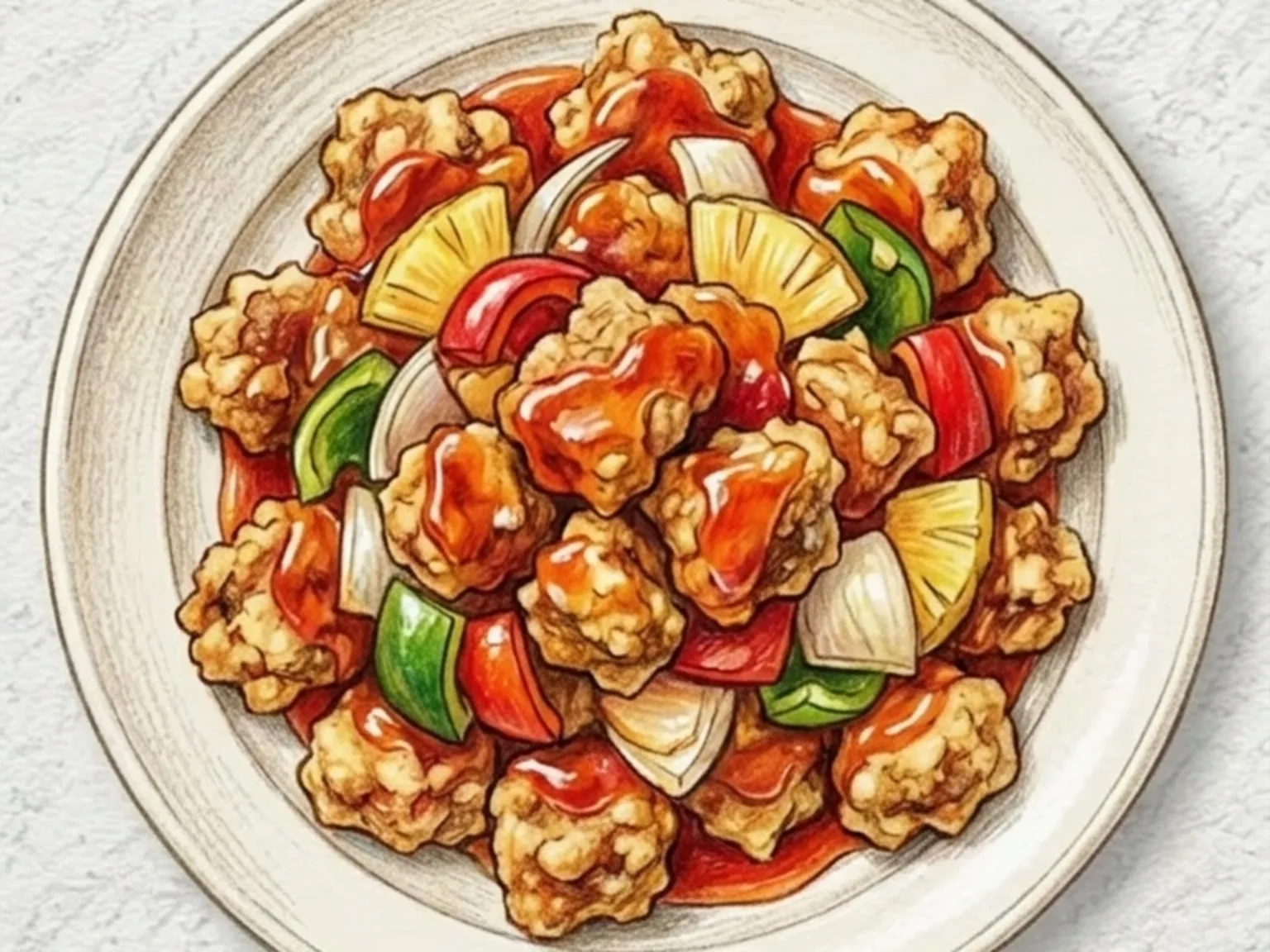
Donghae Banjeom is a Chinese-Korean restaurant in Daerim-dong, Seoul, opened in 1972. Its counter, wooden furnishings, older decorative details, and abacus preserve the practical appearance of a long-running neighborhood dining room rather than a newly themed interior. Yangjangpi spreads seafood, sliced meat, and several vegetables around a central mound of translucent starch sheets. Mustard sauce is mixed through the plate, connecting cool vegetables, warm stir-fried ingredients, and the chewy sheets with a sharp aroma. The ingredients remain visibly separated until they are tossed, so the crispness of cucumber and other vegetables does not disappear into a uniform cooked mixture. Old-style tangsuyuk uses pieces of fried pork and a relatively loose sweet-and-sour sauce containing cabbage. Parts of the coating remain crisp where the sauce has not soaked in, while covered sections soften and take on the sauce's sweetness and acidity. Ganjjajang fries chunjang paste with onions and other ingredients separately from the noodles, producing a darker, chunkier topping with a direct wok aroma. Jjamppong uses seafood and vegetables in a clear-looking red broth rather than building the bowl around a dense meat stock. Noodles, shellfish, and sliced vegetables share the soup without turning it into a thick sauce. Rice dishes have a distinctive base here. Jjamppongbap and japchaebap are paired with fried rice instead of plain steamed rice. The grains carry a toasted wok aroma before they meet the spicy seafood broth or the glossy stir-fried glass noodles. Japchaebap places seasoned glass noodles, vegetables, and meat over the rice, making two different kinds of starch visible on the same plate. The ground floor contains the counter and closely arranged tables, while an upper floor includes a separate room. A broad yangjangpi platter or tangsuyuk plate can occupy the center, leaving noodle and rice bowls as individual dishes. That table may contain four clearly different techniques at once: cold ingredients dressed with mustard, battered pork softened by sauce, bean paste and onion fried for noodles, and seafood simmered in red broth. Fried rice under a jjamppong or japchae order supplies another layer of wok cooking without repeating the sauces on the shared plates.
Quick read
- Why go
- Donghae Banjeom is a Chinese-Korean restaurant in Daerim-dong, Seoul, opened in 1972.
- Best for
- Local dining shortlist
- Plan before you go
- 634 Google Maps reviews make this a useful shortlist pick.
What to order
- Start with
- 양장피
- Then consider
- 탕수육
Dataset context
How this listing compares
- Within this cuisine
- #77 of 178 by the published comparison signal
- Chinese
- Within this area
- #45 of 88 by the published comparison signal
- Yeongdeungpo
- Review depth
- 1.0× the cuisine median (median 633)
Analysis generated 2026-07-30 from 4,138 Korea Eats records. Ratings and review counts can change. This is not a personal review or quality guarantee. Check current details on the linked map.